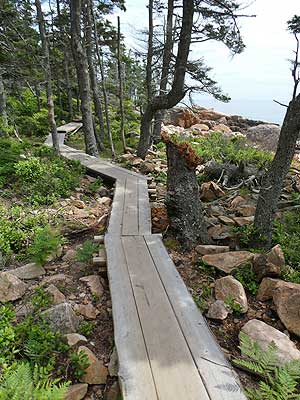
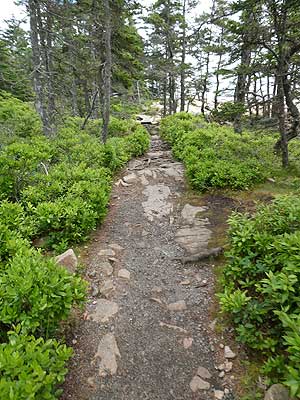
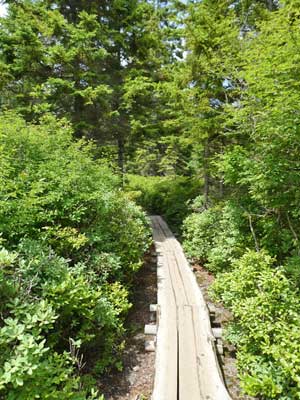
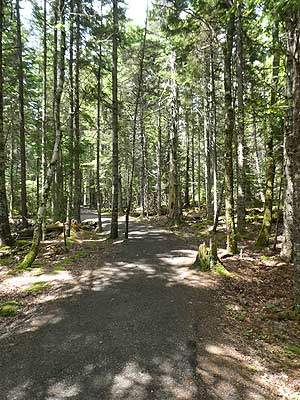
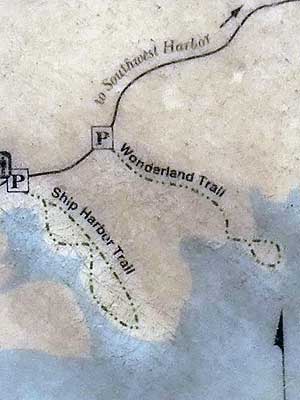
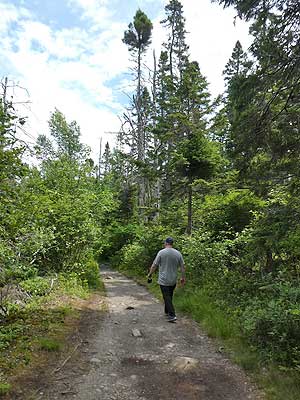
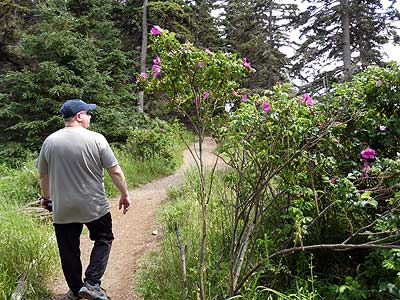
We left around 2 pm and did the nearby Wonderland Walk. It was rather hot and humid.
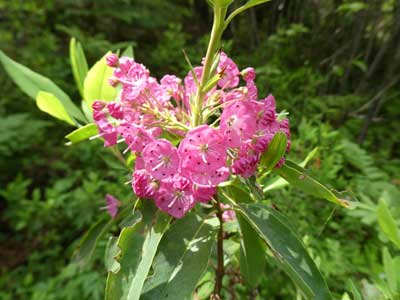
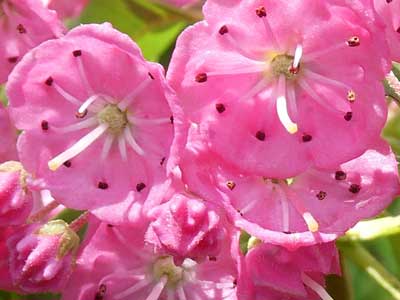
Sheep laurel
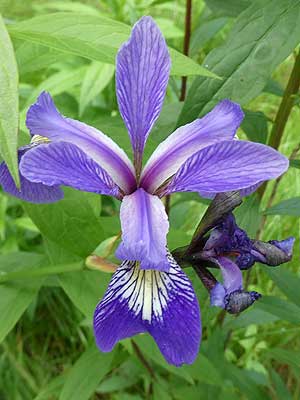
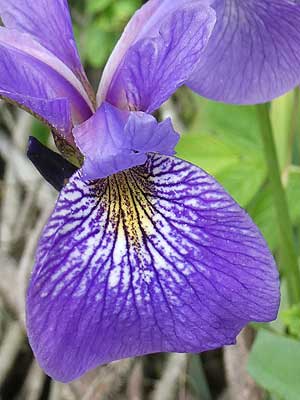
Blue flag irises
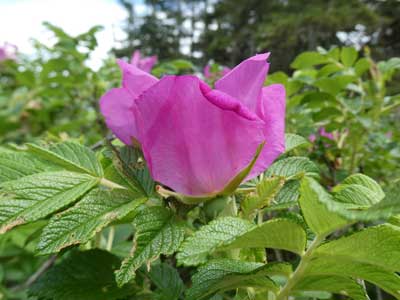
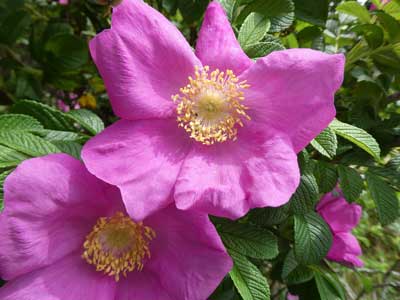
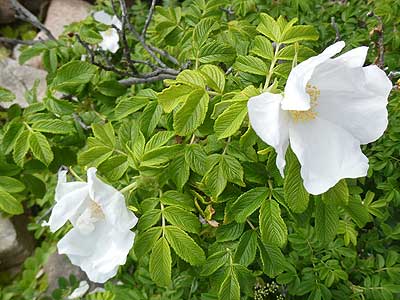
Wild roses
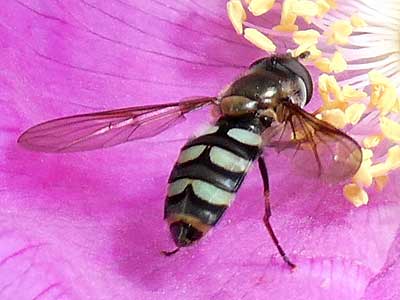
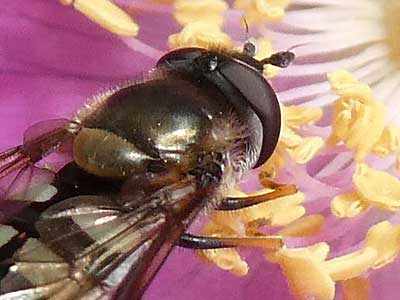
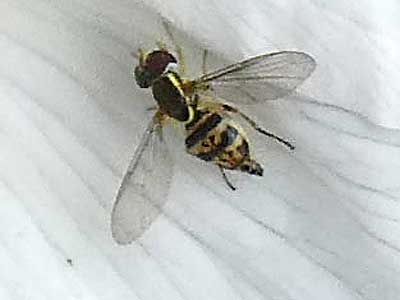
A Pied Hover Fly. Hover flies are also called flower flies or syrphids. The adults mainly eat nectar and pollen.
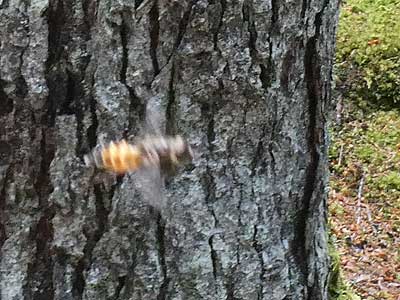
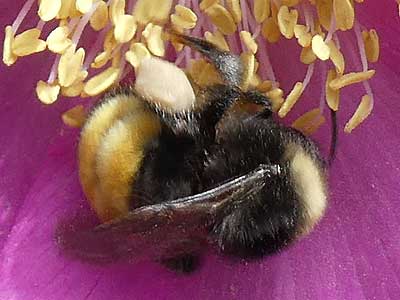
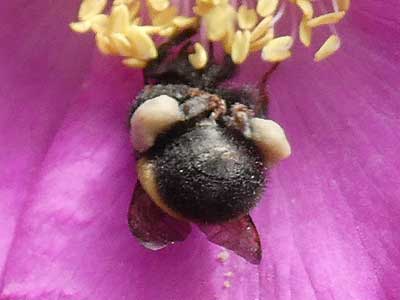
An acrobatic bumblebee
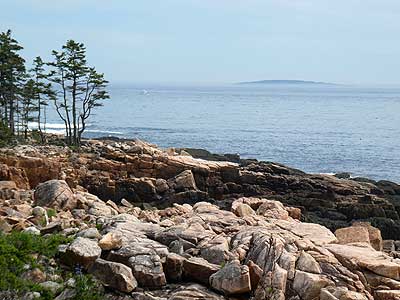
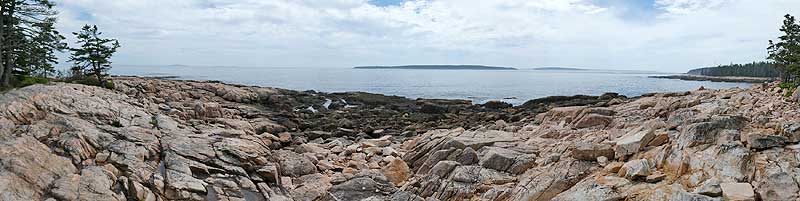
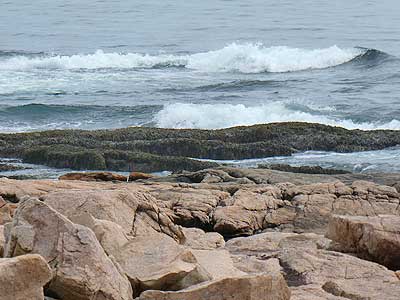
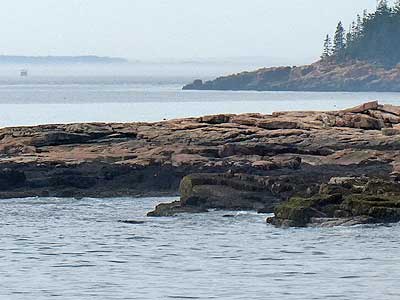
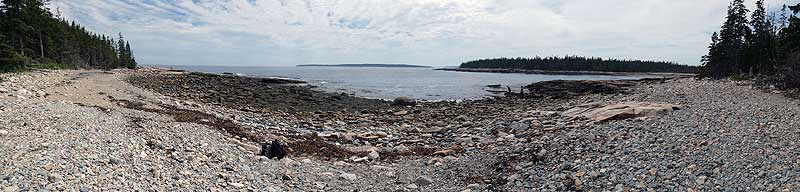
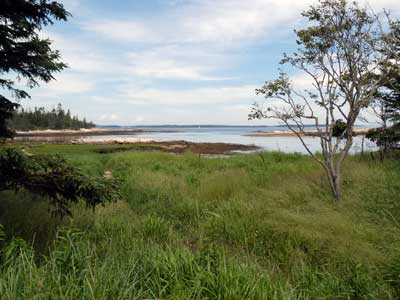
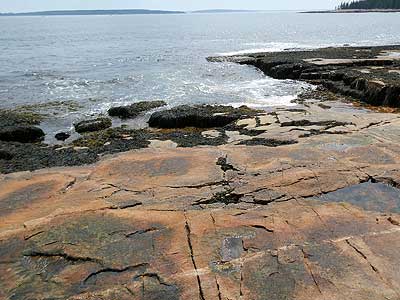
The shoreline
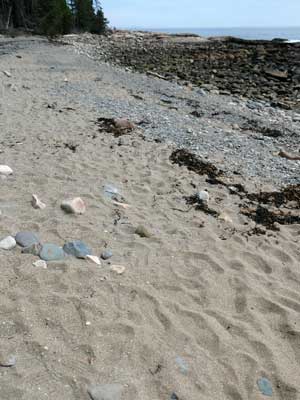
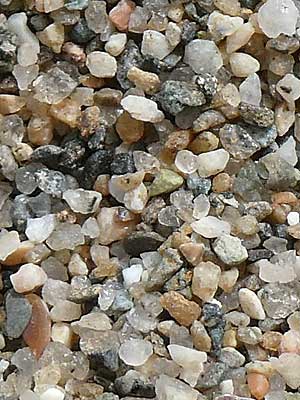
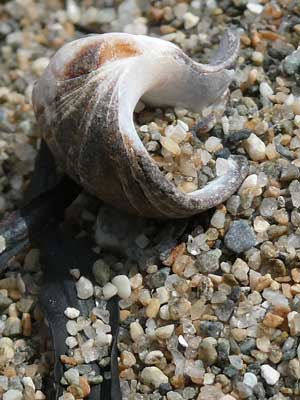
The sand was made up of many colors.
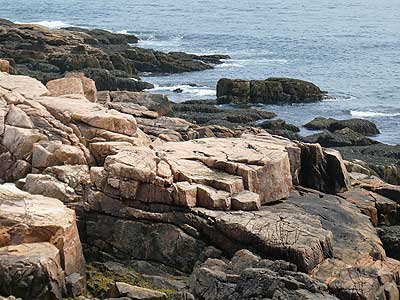
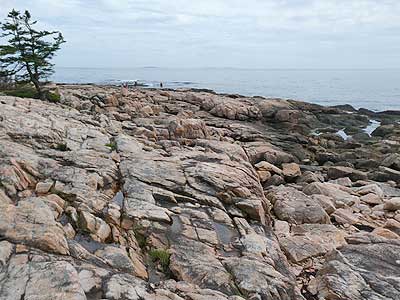
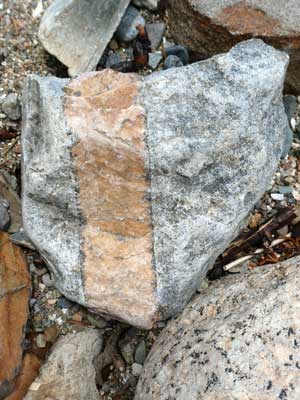
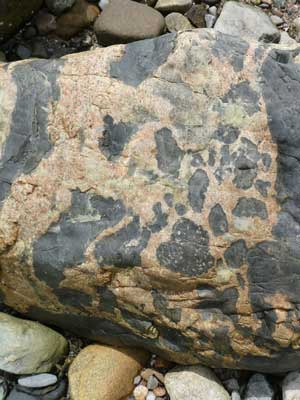
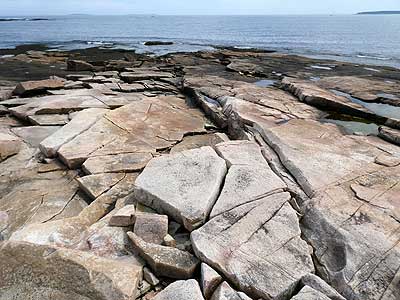
Unique rocks
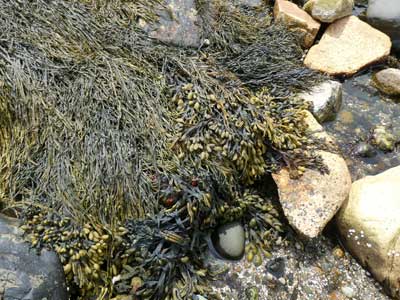
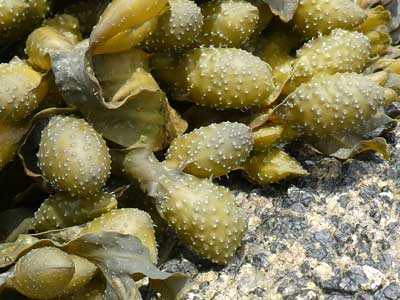
Kelp can form large,underwater forests and requires cooler, nutrient-rich waters.
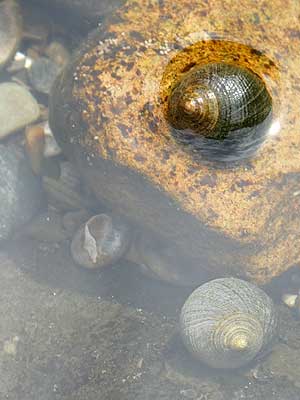
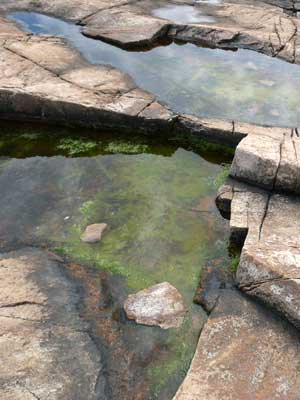
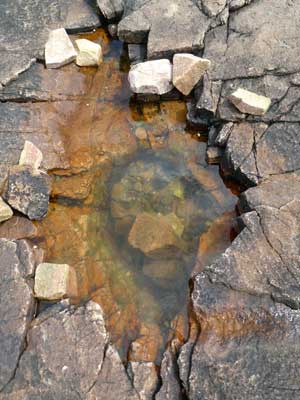
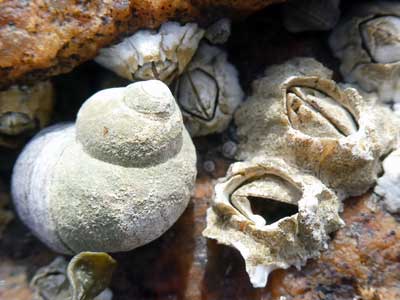
Tidepools
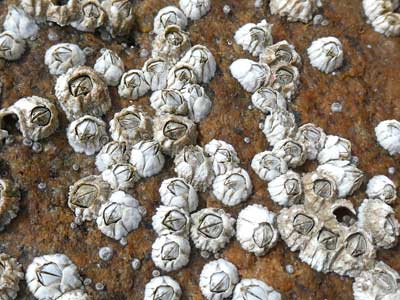
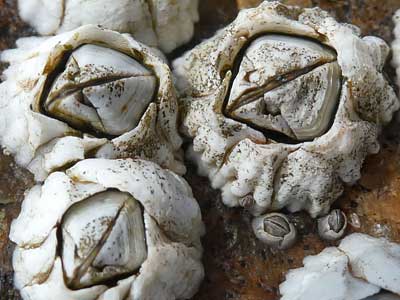
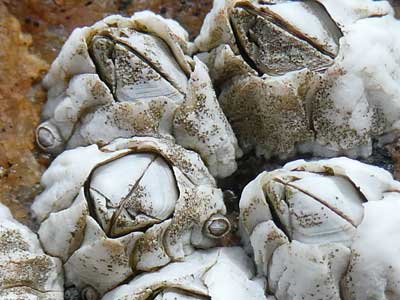
Barnacles are marine crustaceans that permanently attach themselves to surfaces such as rocks, ships and even whales. They are more closely related to crabs and lobsters than to mollusks. As larvae, they are free-swimming until they attach to a spot for life. They build a hard shell around them with a door they can open and close.
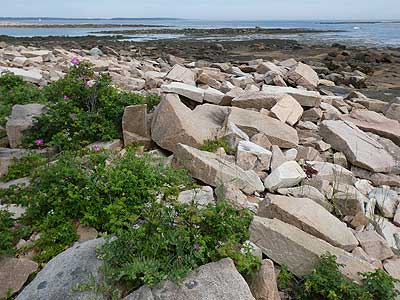
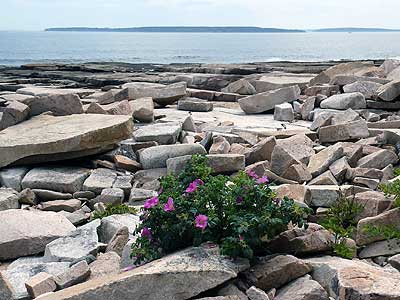
Roses bloomed among the jagged rocks.
White wild rose ... an Eastern Calligrapher is also a type of hover fly.