PORTLAND (Day 9 - part3)
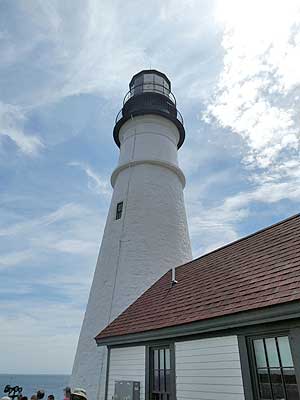
We walked over to the lighthouse.
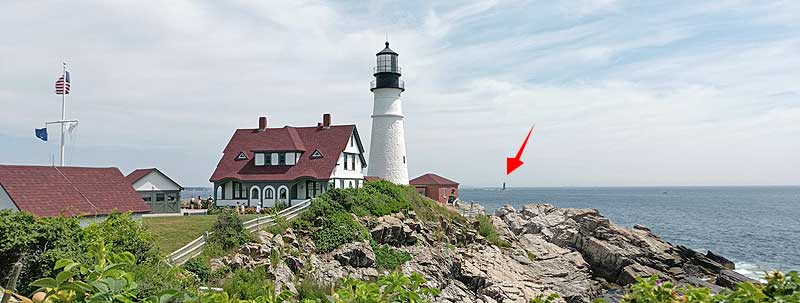
Out in the water was Ram Island Ledge Lighthouse. This too was one we saw on our flight in from Denver!
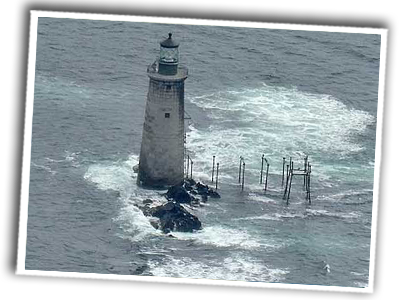
Ram Island Ledge marks the northern entrance into Portland’s outer harbor. It has long been one of the area's most dangerous spots. In 1855, an iron spindle was placed on the ledge, but it was only of practical use during daylight. In 1873, a 50-foot-tall wooden tripod replaced it. While this was a definite improvement, the force of the open ocean washed it away at least three times.
In 1903, the foundation rock was leveled and work on the Ram Island Ledge Lighthouse began. The 77-foot tall tower received its third-order Fresnel lens in 1905. It revolved in a bath of mercury to produce a double-flash every six seconds. In 1958, an underwater power cable allowed it to be automated, and in 2000, it was converted to solar power in 2000.. The original Fresnel lens has been replaced by a modern 300mm optic, showing two white flashes every six seconds.
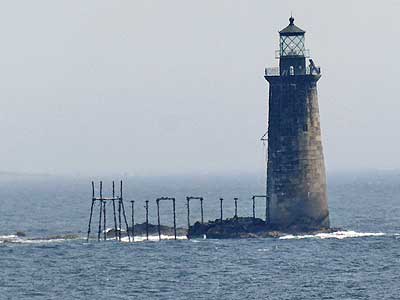
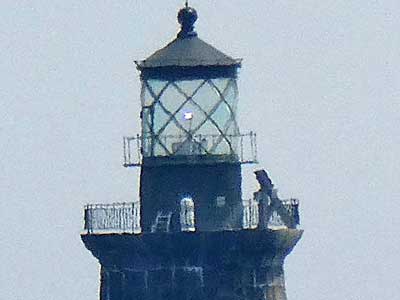
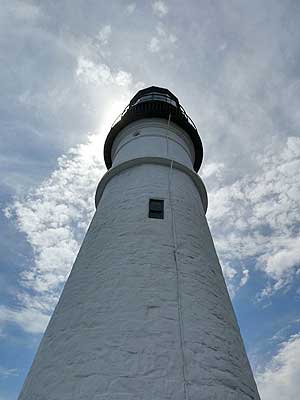
Unfortunately one isn't allowed to climb the tower.
The Portland Head Lighthouse was the first lighthouse completed by the US government. It was commissioned by President George Washington in 1791. To keep prices low, he asked that the tower be built from local rubblestone which could be hauled in by oxen. Originally the tower was to be 58 feet high, but was increased to 72 feet for visibility reasons. The light was powered by sixteen whale-oil lamps. During one cold winter, ice on the lantern glass froze so thick that it had to be melted off.
After a fatal shipwreck in 1864, the height of the lighthouse was raised 20 feet and a second-order Fresnel lens was installed. The light was kept dark from June 1942 through June 1945 to avoid aiding German submarines.
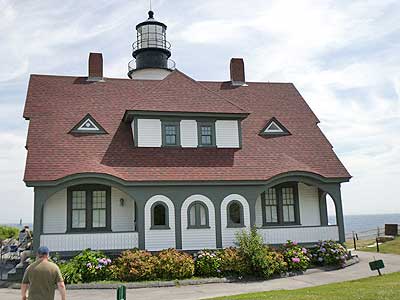
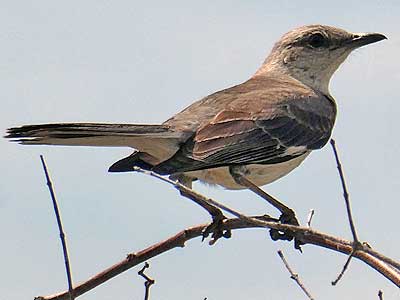
The old keeper's house ... possibly a type of thrush
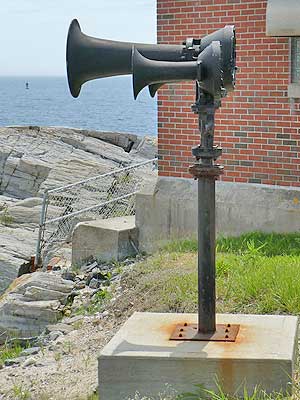
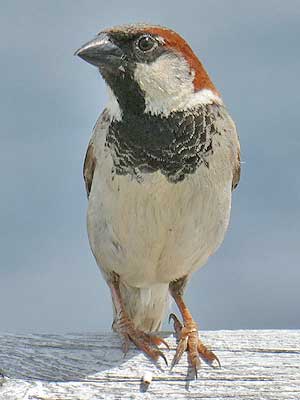
A fog horn ... A house sparrow
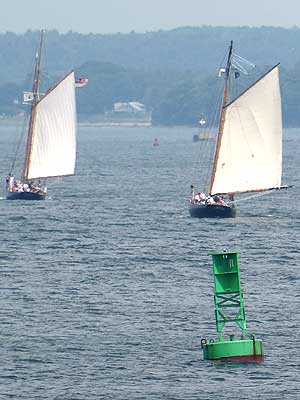
Summer sailing
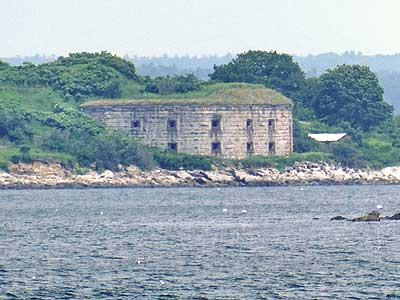
Another angle of Fort Scammel
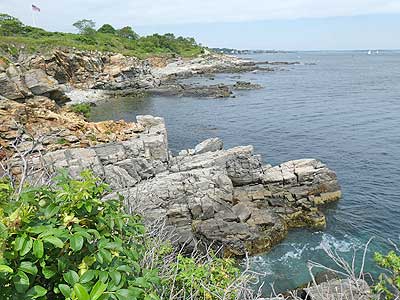
Nearby rocky cliffs
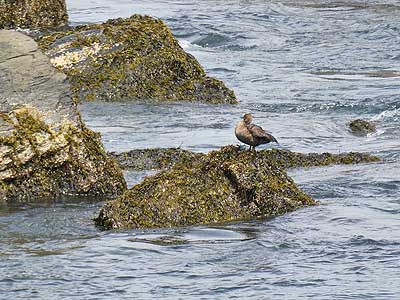
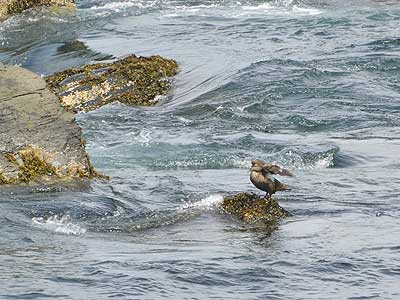
With each incoming wave, this duck nearly had its perch washed away.
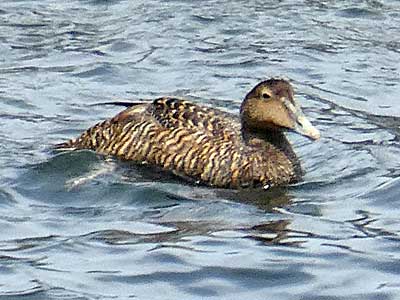
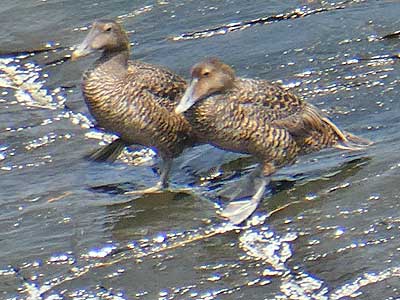
Female common eiders, a large-bodied sea duck
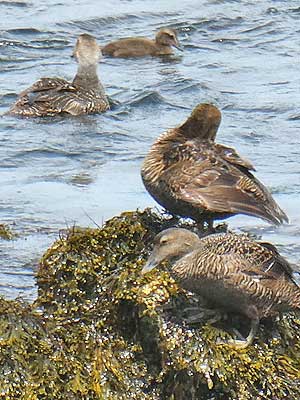
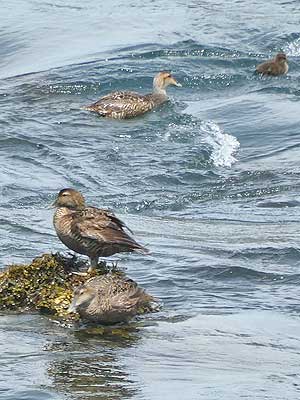
The baby (in the back) had no problem tackling the waves.
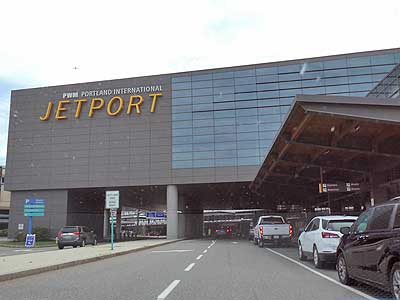
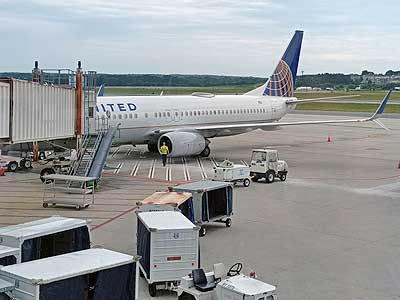
At noon we hopped in our rental car one last time. We dropped it off at the airport and grabbed some lunch. Then we sat around the small, crowded airport until it was time for our flight.
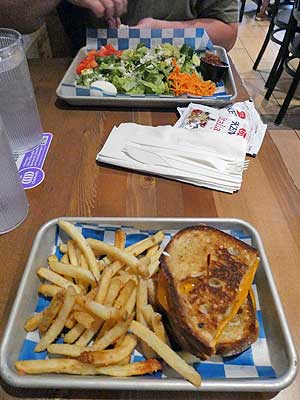
We shared a salad and grilled cheese.
The Portland International Jetport
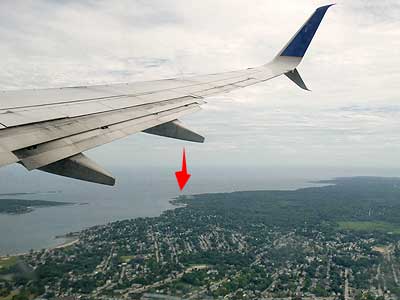
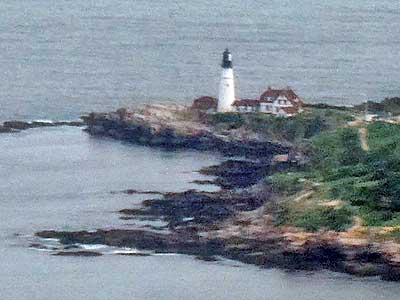
The Portland Head Lighthouse
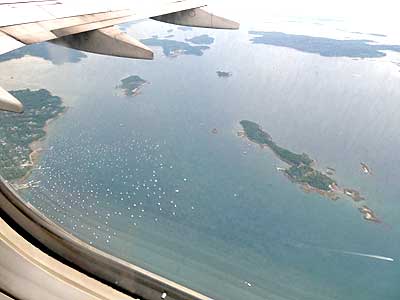
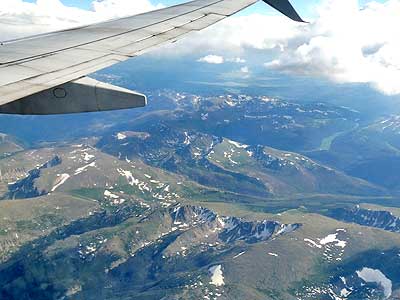
Maine ... Colorado
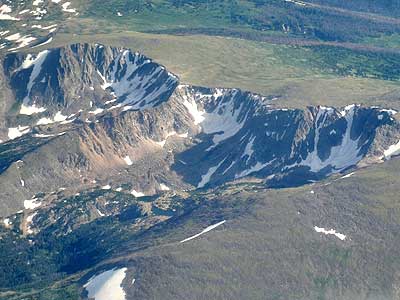
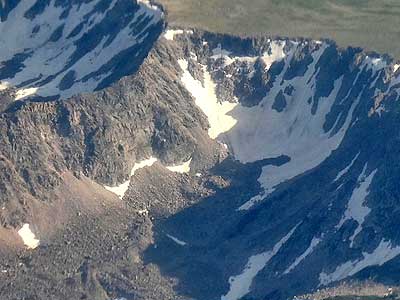
There was still plenty of snow in July.
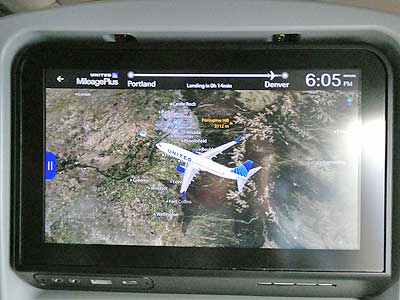
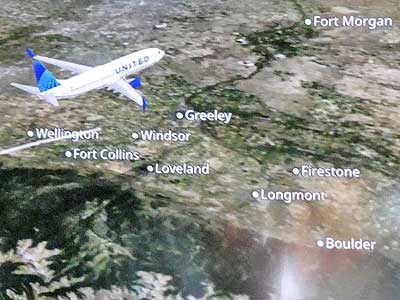
Tracking our flight
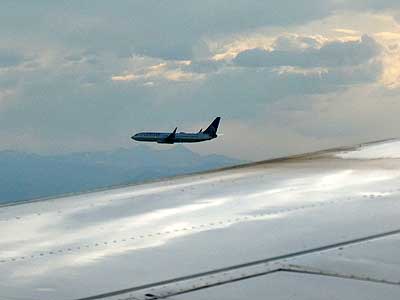
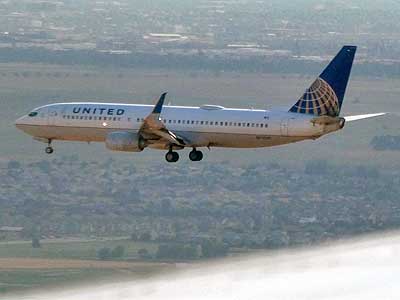
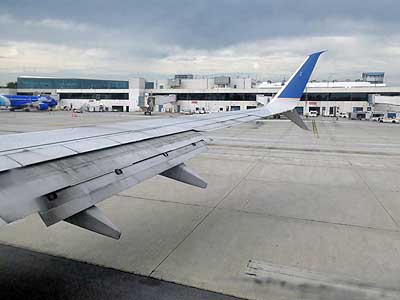
Another plane landed parallel to us on the next runway.
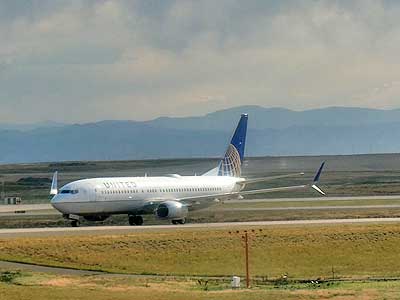
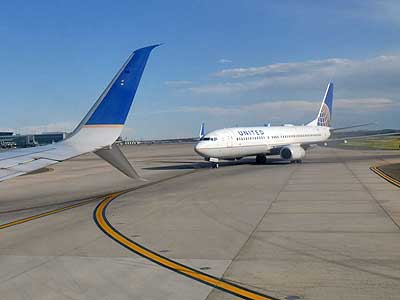
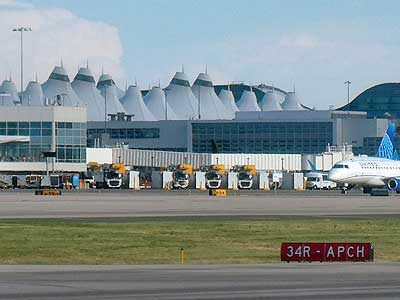
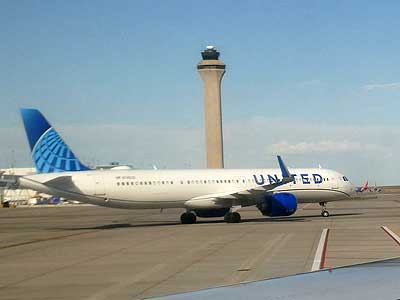
Denver International Airport
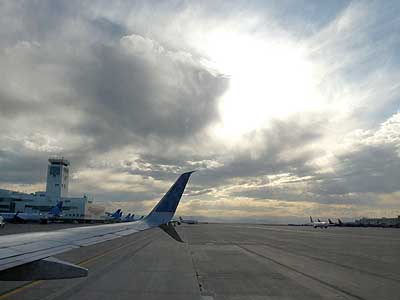
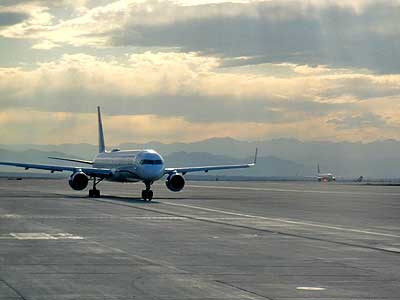
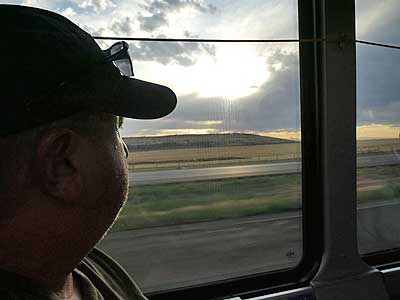
We caught the bus home under the colors of the setting sun.
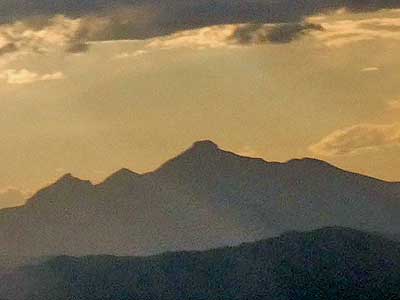
(right) Longs Peak at 14,259 feet high
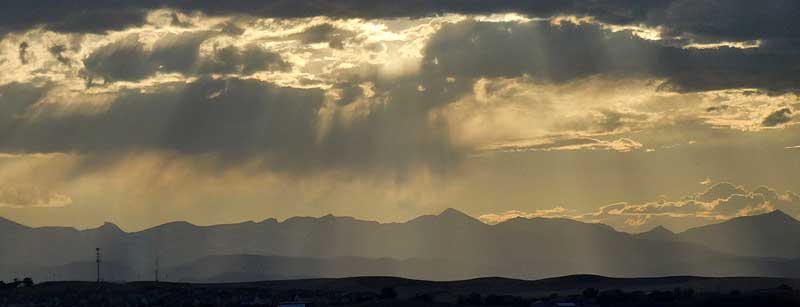
The Front Range
return


