FOURTH OF JULY (Day 6 - part 7)
We quickly reached the water....
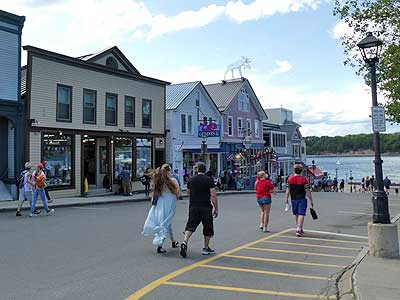
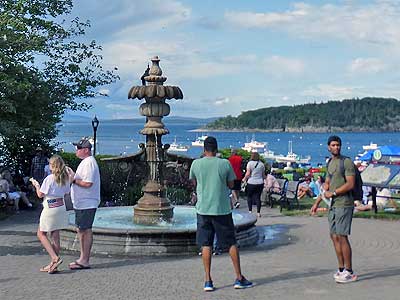
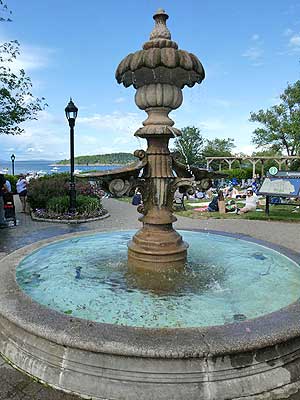
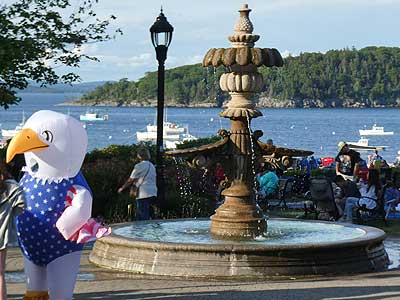
Agamont Fountain
We stopped at the Fish House Grill for a late lunch.
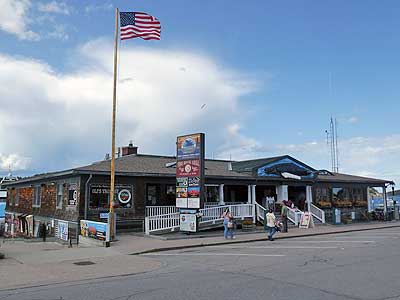
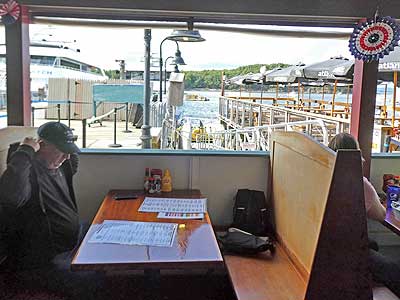
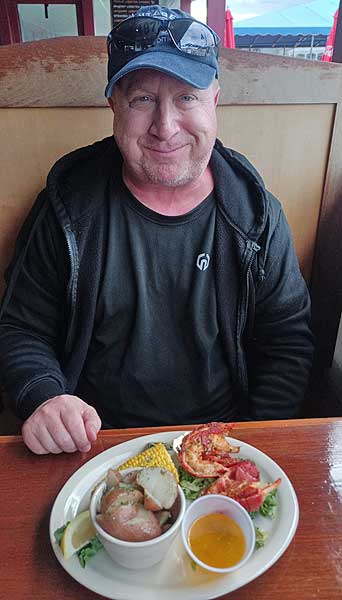
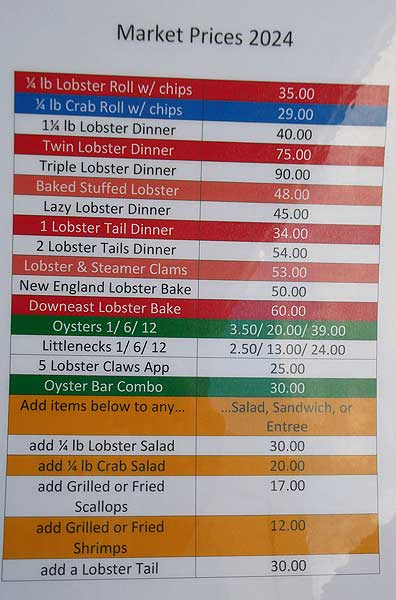
Lobster tail! ... A price menu
All lobster prices were based on "Market Price" and simply written as MKT on the menu. Although at most other restaurants, we were never given any information in advance as to what those prices actually were. It often was just a surprise with the check.
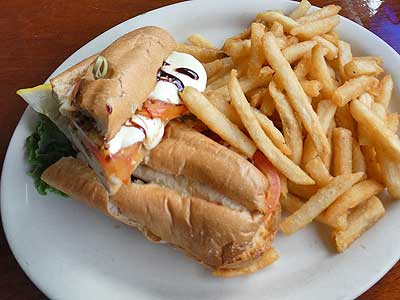
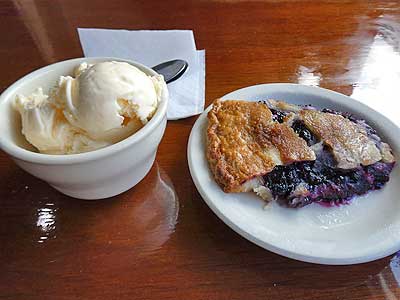
My Caprese sandwich ... plus blueberry pie and ice cream for dessert!
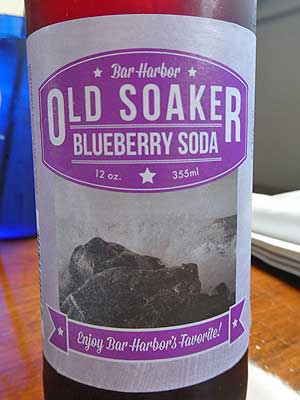
To wash it all down
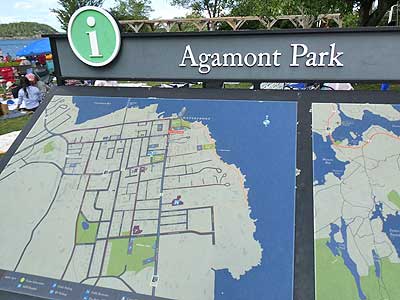
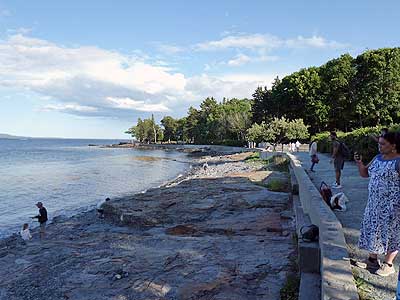
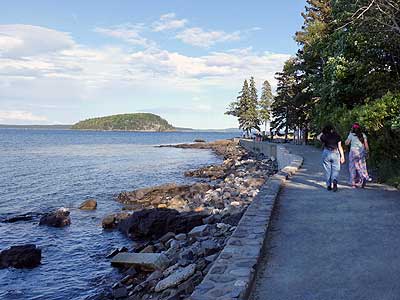
We decided to walk along the historic Shore Path, starting at Agamont Park.
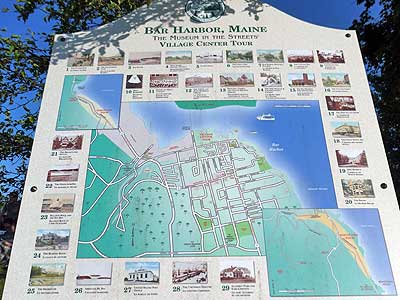
The Museum in the Street signs (like we saw in Augusta) were set up here in 2012, leading one on a Village Center walking tour. We only did a small section of it along the shore.
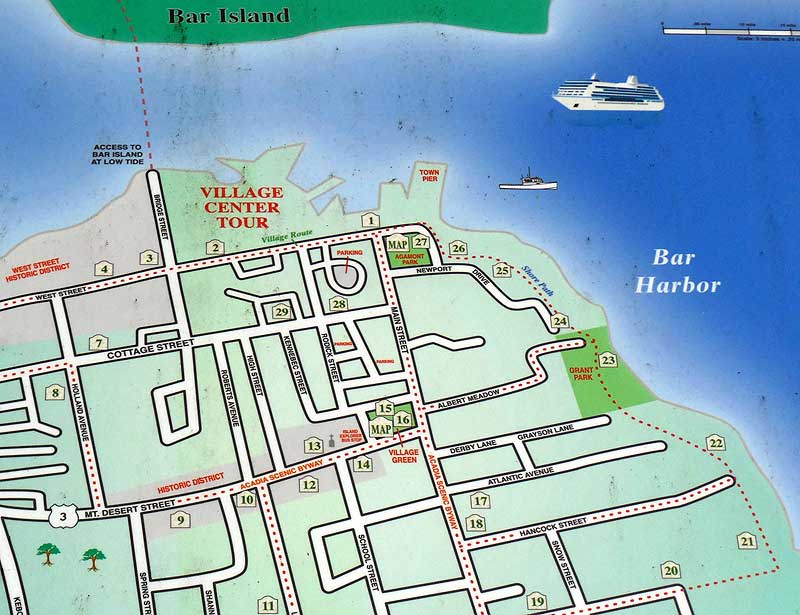
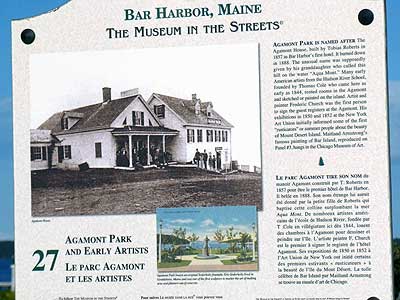
#27 - Agamont Park is named after the town's first hotel, Agamont House, built by Tobias Roberts in 1857. It supposedly gets its name from Roberts' granddaughter who called this hill on the water "Aqua Mont". Many artists and painters stayed here due to the area's beauty. The hotel burned down in 1888.
The township was first incorporated in 1796 as the town of Eden (after statesman Sir Richard Eden). It was renamed in 1918 to Bar Harbor.
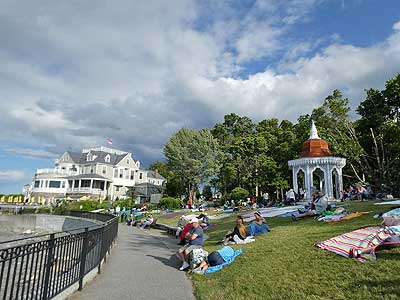
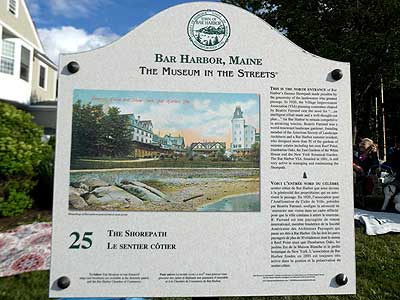
Agamont Park ... #25 - The Shore Path began in 1920 as a means to keep attracting tourists to the area.
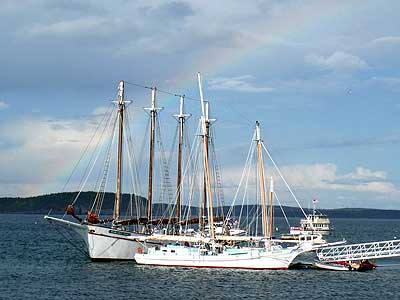
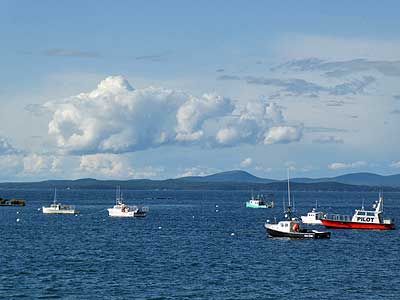
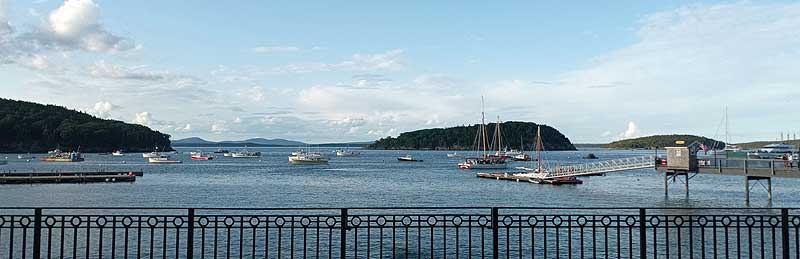
A lovely rainbow... Looking out over Frenchman Bay
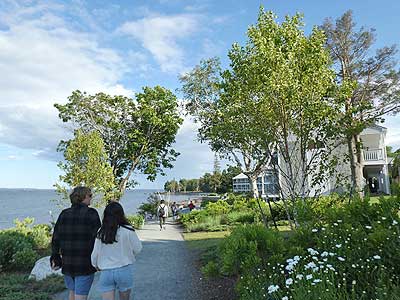
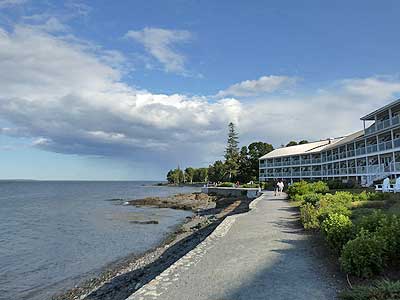
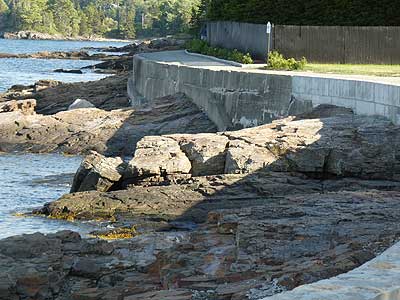
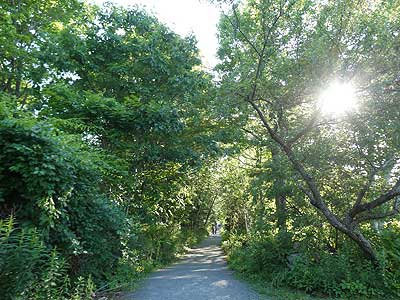
Following the path
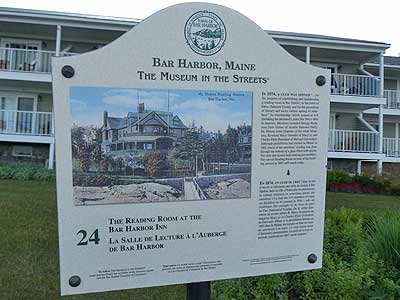
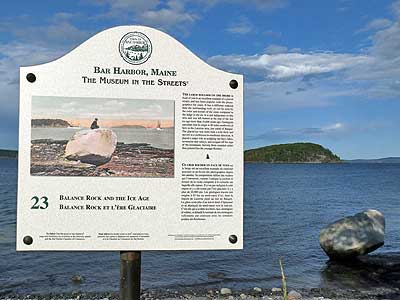
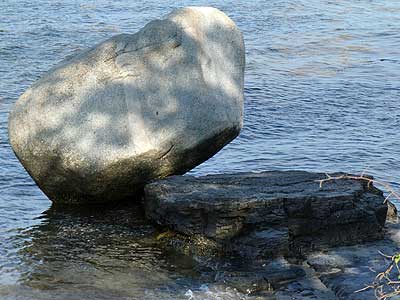
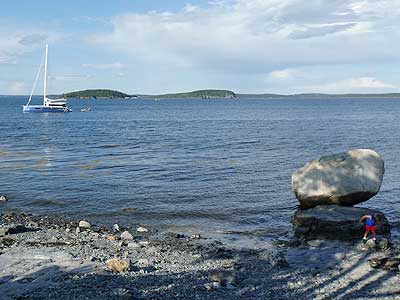
The Reading Room .... Balance Rock
#24 - In 1874, a club was opened for the purpose of establishing a reading room for the promotion of literary and social culture. It also became a place to get an illegal drink. Maine was the first state to start prohibiting alcohol. In 1846, liquor was banned, and in 1851, The Maine Law banned the manufacture and sale of all alcohol beverages statewide. Many other states quickly followed suit. But it sparked deadly riots and was repealed in 1856. The ball was now rolling, however, and national prohibition came about from 1920 - 1933. Maine took several more months afterwards to allow alcohol back into the state.
#23 - Known as Balance Rock, this large boulder is the result of the last ice age more than 10,000 years ago. It has a completely different composition than the surrounding rocks because it comes from some 40 miles northwest of here and was carried by glacier ice more than a mile thick. This is also why all the surrounding mountains and hills are smooth and round instead of pointed.
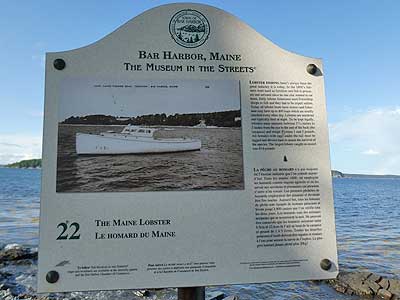
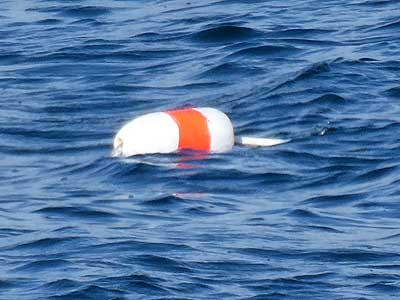
#22 - In the 1800's, lobsters were used as fertilizer and fed to prisoners and servants since no one else wanted to eat them. Today there is a thriving lobster industry. Fishermen may have up to 800 traps which are usually checked every other day. Lobsters are nocturnal and feed at night. To be legally kept, they must weight one to five pounds. Females with eggs under the tail must be tagged and thrown back. The largest one on record weighed 43.6 pounds!
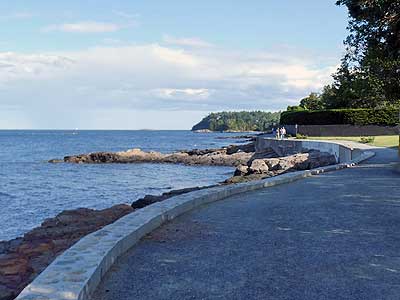
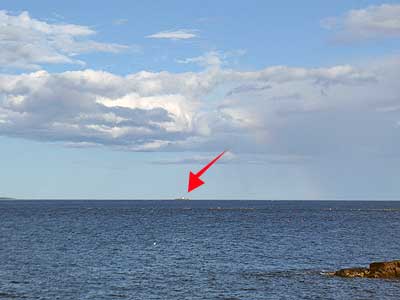
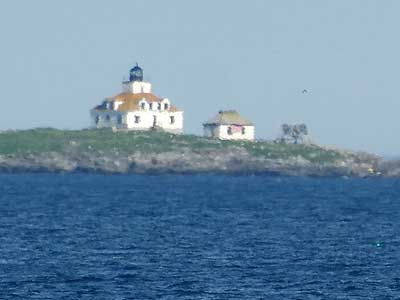
Egg Rock Lighthouse
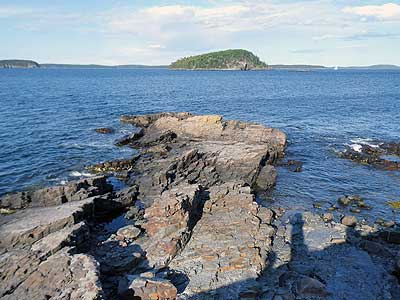
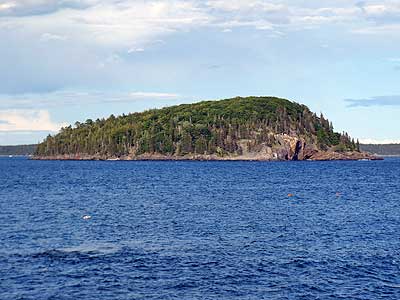
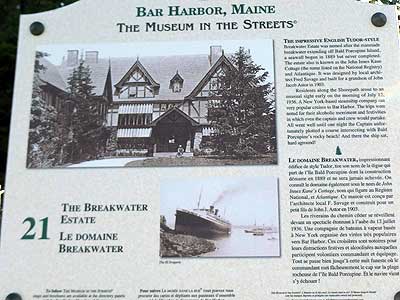
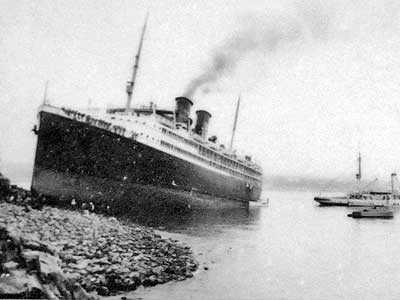
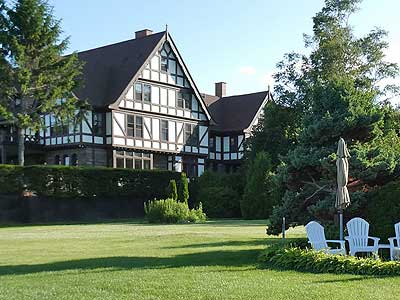
#21 - A New York-based steamship company used to run very popular cruises to Bar Harbor. It was known as a party boat, with the captain and crew even partaking in the drinking festivities. One night in 1936, the captain mis-plotted the course and it ran aground on Bald Porcupine Island.
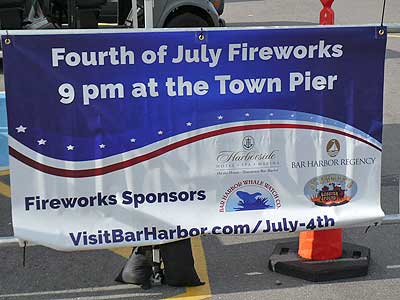
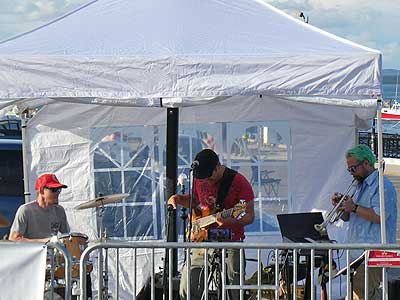
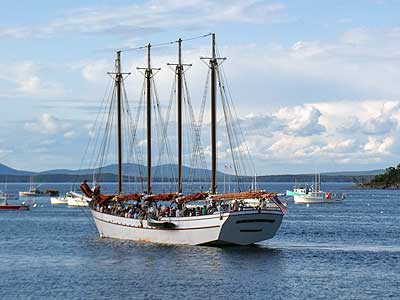
We returned to Agamont Park and sat listening to some live music for a while, watching various sailing vessels out in the bay.
return • continue


