COASTAL DRIVE (Day 8 - part 5)
We left and drove about an hour towards Camden, one of the rare spots along the Eastern coast where the mountains direclty meet the sea.
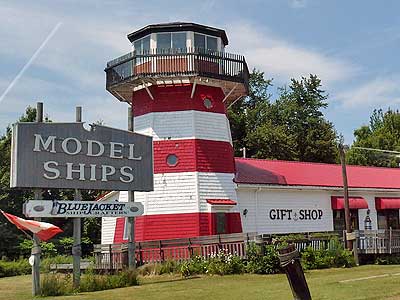
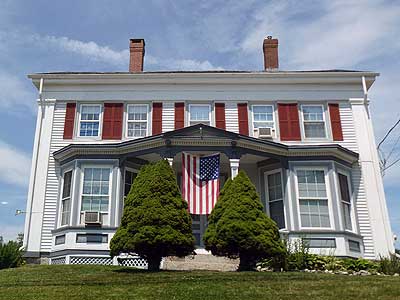
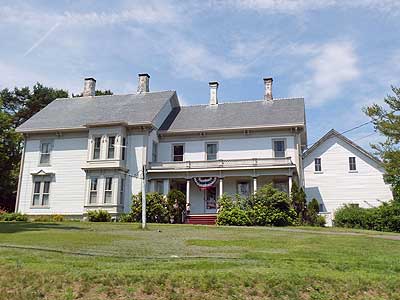
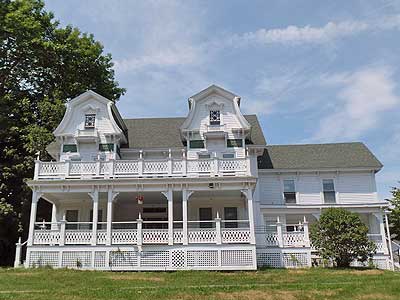
Places along the way
We drove to the top of Mt. Battie and climbed tower.
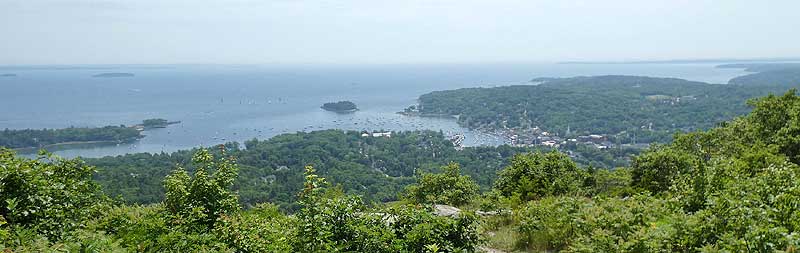
Viewpoint overlooking Camden
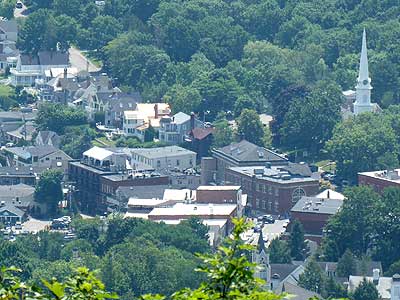
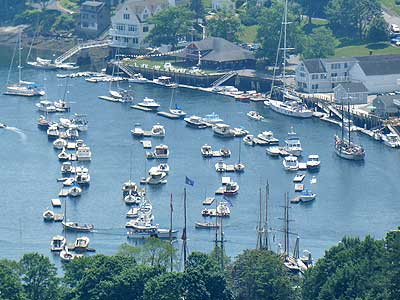
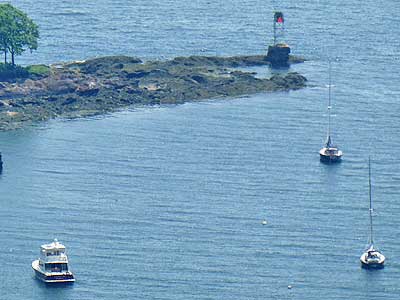
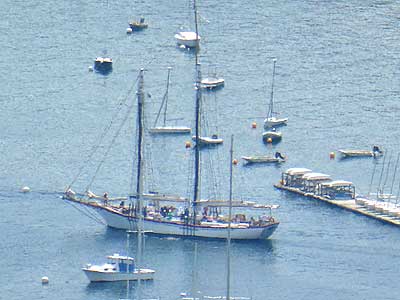
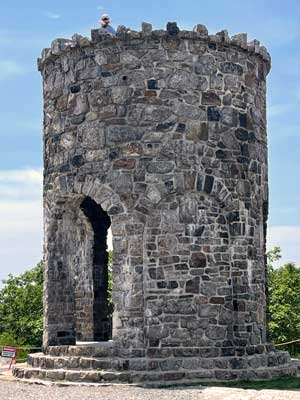
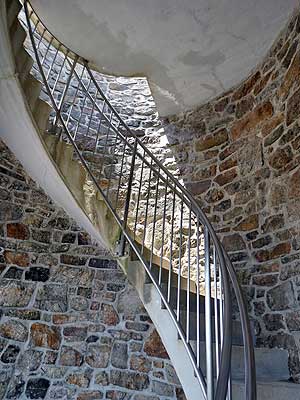
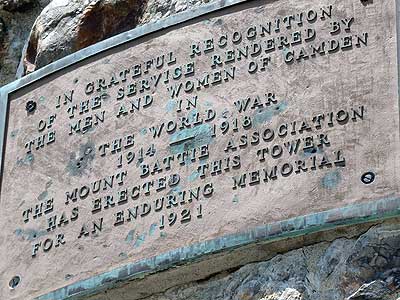
The Mt. Battie Memorial Tower was built in 1921 in honor of the men and women of Camden who served in WWI. Of course back then, it was just called The World War... since the second one hadn't happened yet.
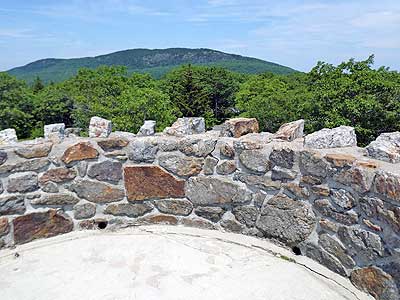
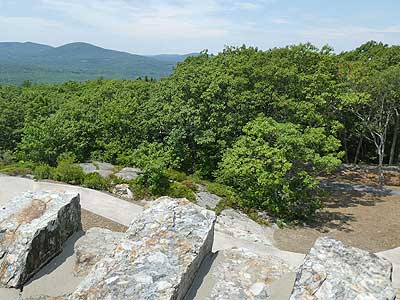
Views of the dense forests
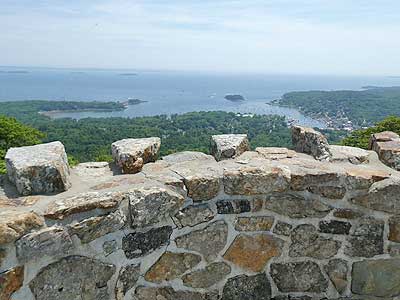
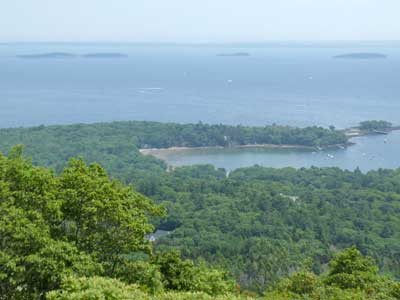
The drive through Camden...
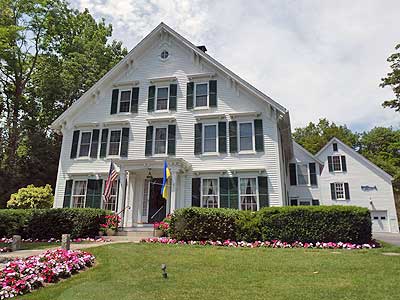
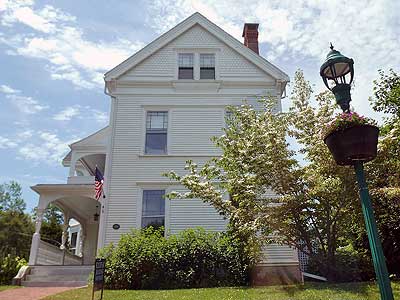
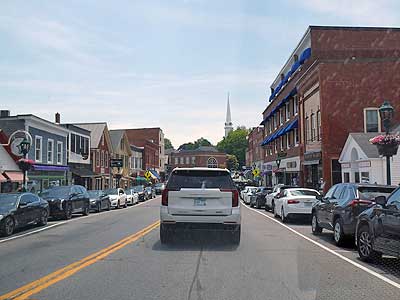
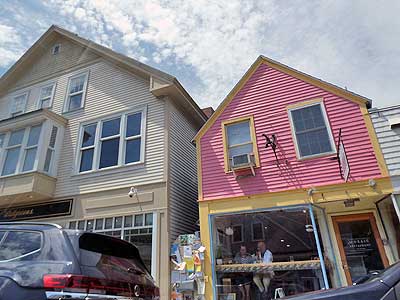
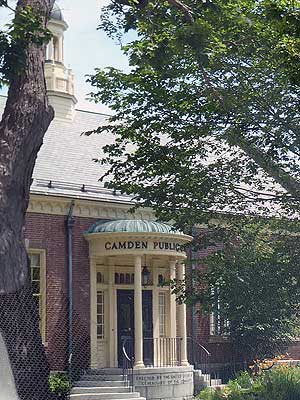
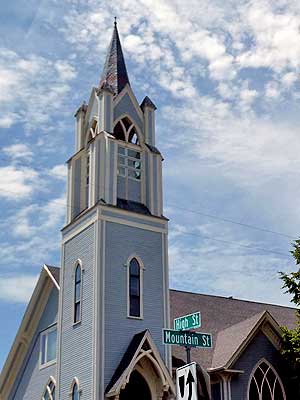
Eventually we arrived at Rockport...
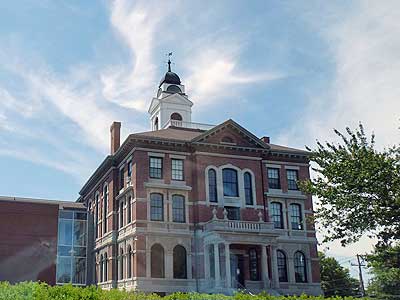
... where we visited the Marine Park.
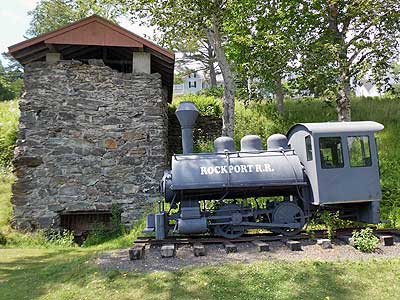
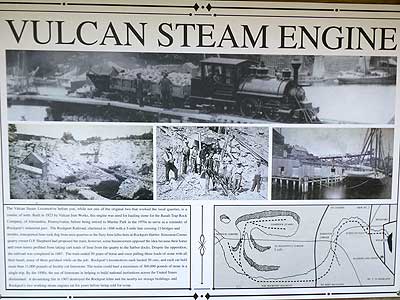
This Vulcan Steam locomotive was built in 1923 by Vulcan Iron Works and used for hauling stone in Pennsylvania. It was brought here in the 1970s to serve as a reminder of Rockport's industrial past. In 1887, the Rockport Railroad began transporting lime rock dug from local quarriers to the lime kilns here. Before this, horses and oxen pulled the loads of stone, often at the expense of their lives. The locomotives could haul 30 cars, each loaded with 11,000 pounds of limestone. By the end of the 1890s, the use of limestone in building national structures had declined, thanks to the invention of cement. A fire in 1907 destroyed the kilns. Eventually the two original engines were sold for scrap.
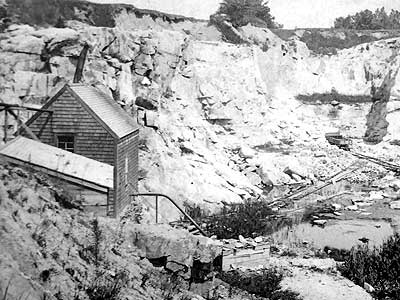
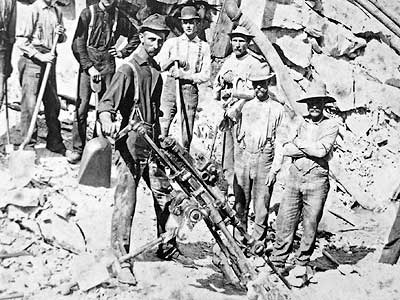
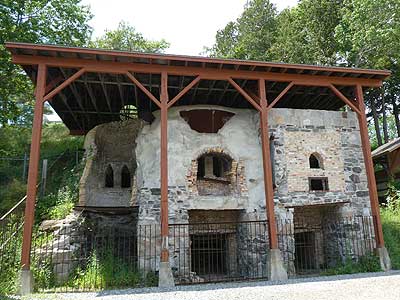
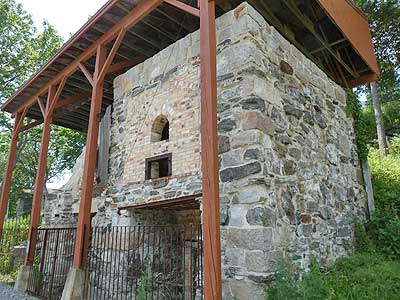
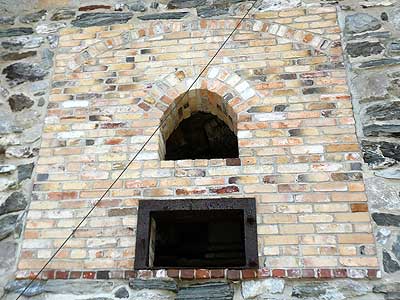
Lime kilns converted limestone into the lime used to make mortar and finish plaster. The burned lime was packed into wooden casks and shipped to East Coast markets.
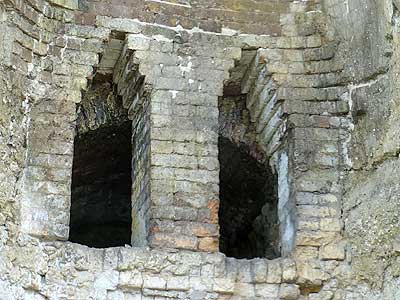
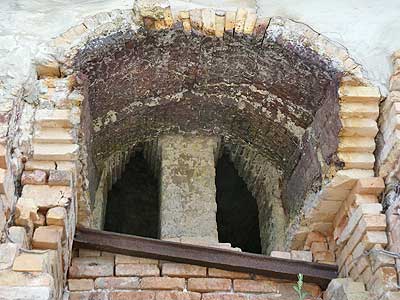
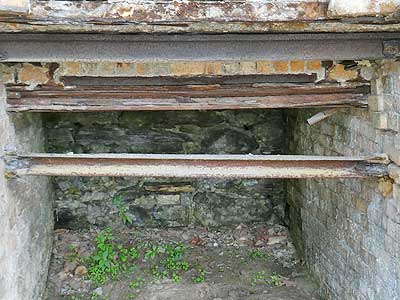
The kilns were built using granite and field stone, with the interiors being lined with fire brick. Most of them were wood burning, but some used soft coal. These were declared an historic site in 1970 and they were restored and stabilized.
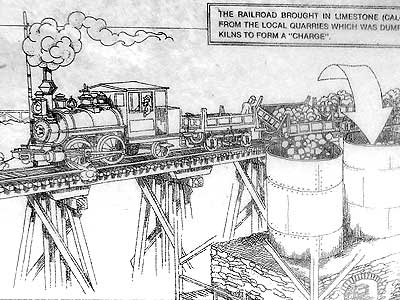
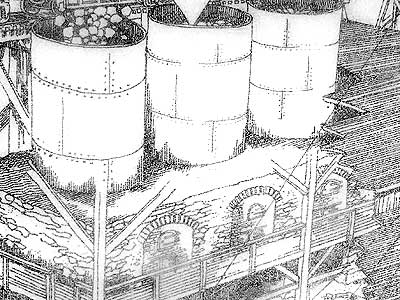
Unloading the limestone directly from train cars ... From the barrels and into the furnace...
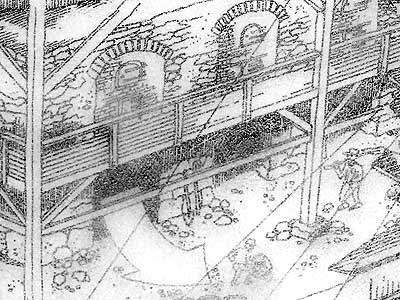
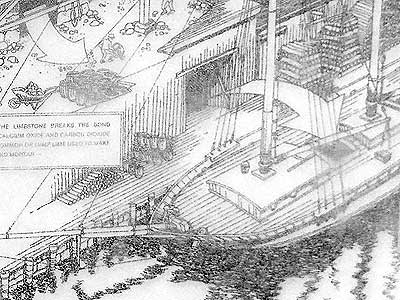
...after which the burned lime is collected ... and placed onto cargo ships
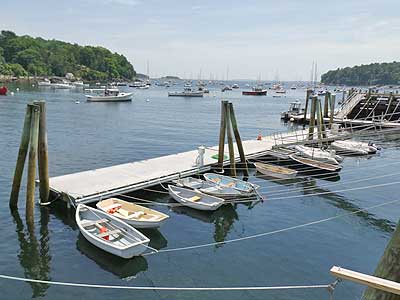
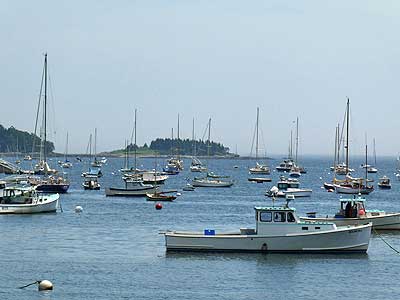
A view of the marina
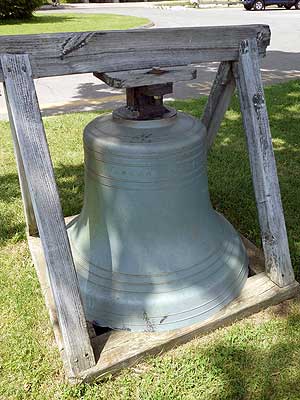
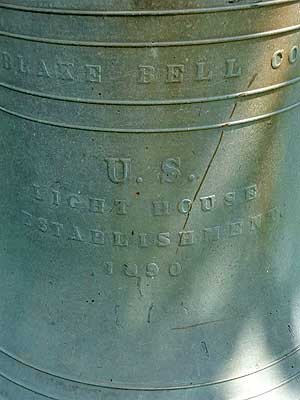
The bell reads "Blake Bell Co; U.S. Light House Establishment; 1890"
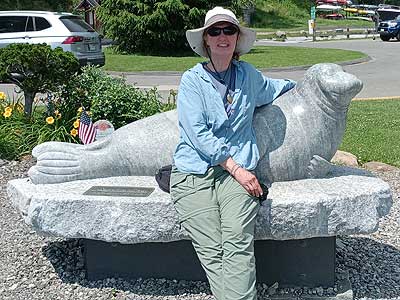
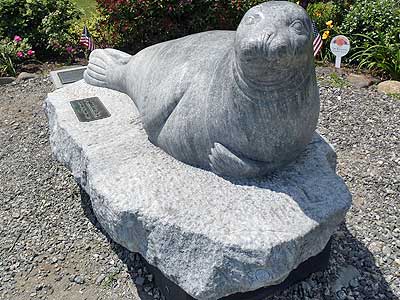
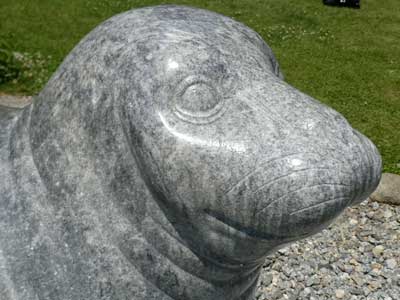
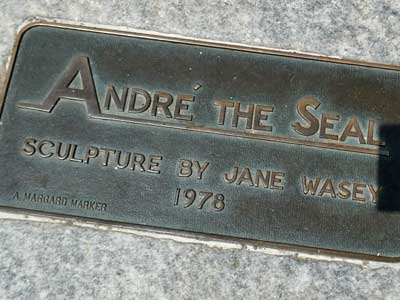
Andre was a harbor seal born on Robinson's Rock in Penobscot Bay in 1961. He was was abandoned at birth but raised by local resident Harry Goodridge. He spent his summers here from the 1960s to the 1980s and was named honorary harbormaster.
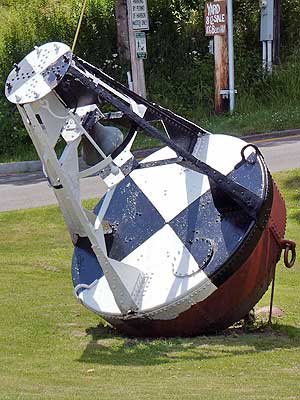
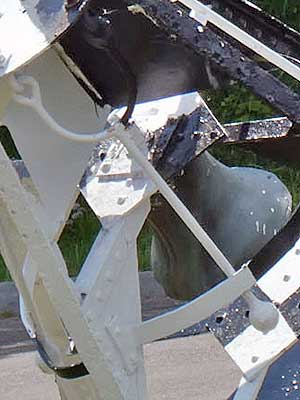
A large bell buoy ... Note how the clapper is outside the bell (which is fixed and doesn't swing)
return • continue


